
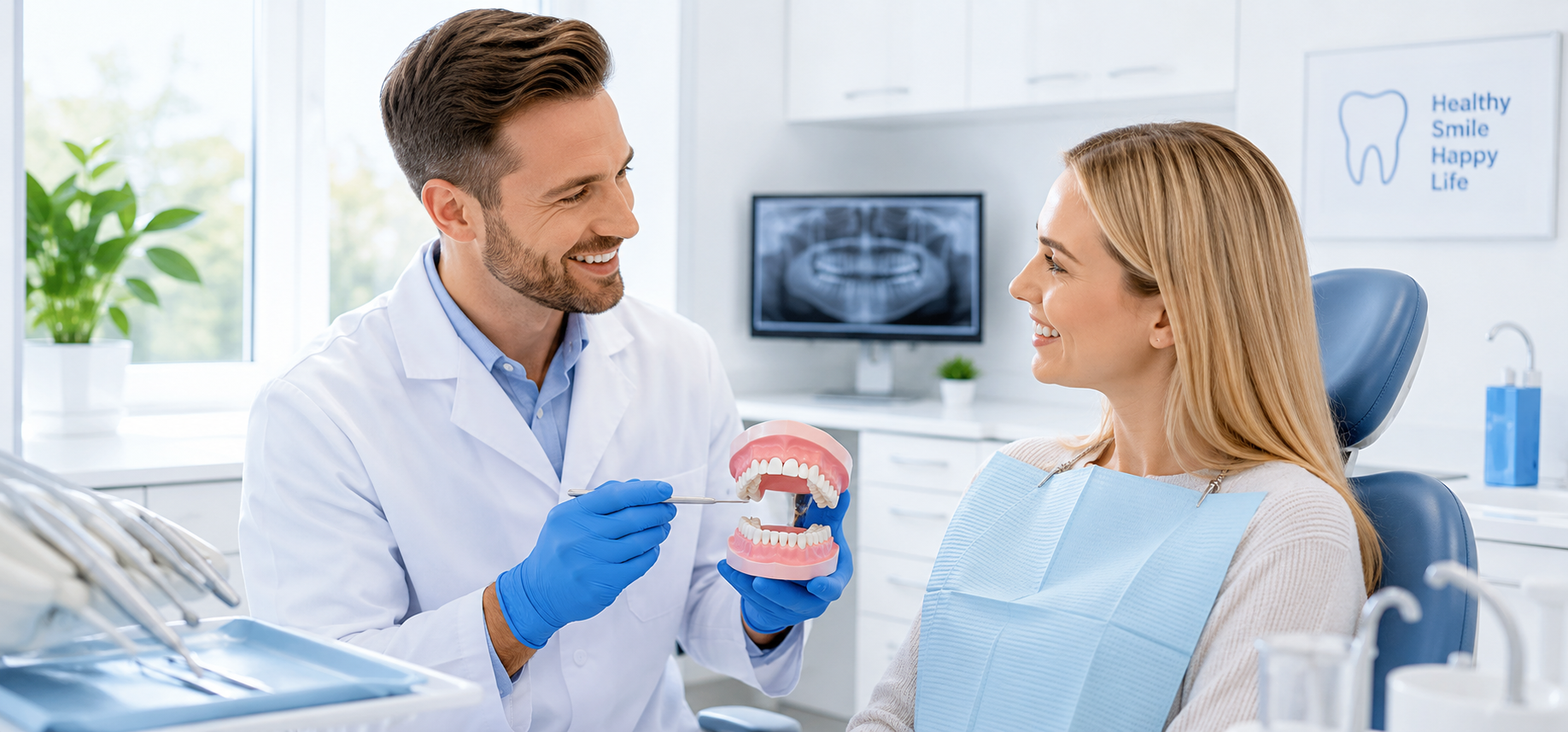
If a sudden toothache, knocked-out tooth, or swelling hits, you need clear steps and fast care in Framingham to protect your smile and avoid complications. Local emergency dentists offer same-day appointments, pain control, and treatments—like extractions, root canals, or repairs—designed to stabilize you quickly and get you back to normal.
You’ll learn how to recognize true dental emergencies, what to do the moment one happens, and what to expect during a visit to a Framingham provider. The article also explains modern treatment options, tips for choosing a trusted local dentist, and simple prevention strategies so you feel prepared if an urgent problem arises.
Recognizing Dental Emergencies
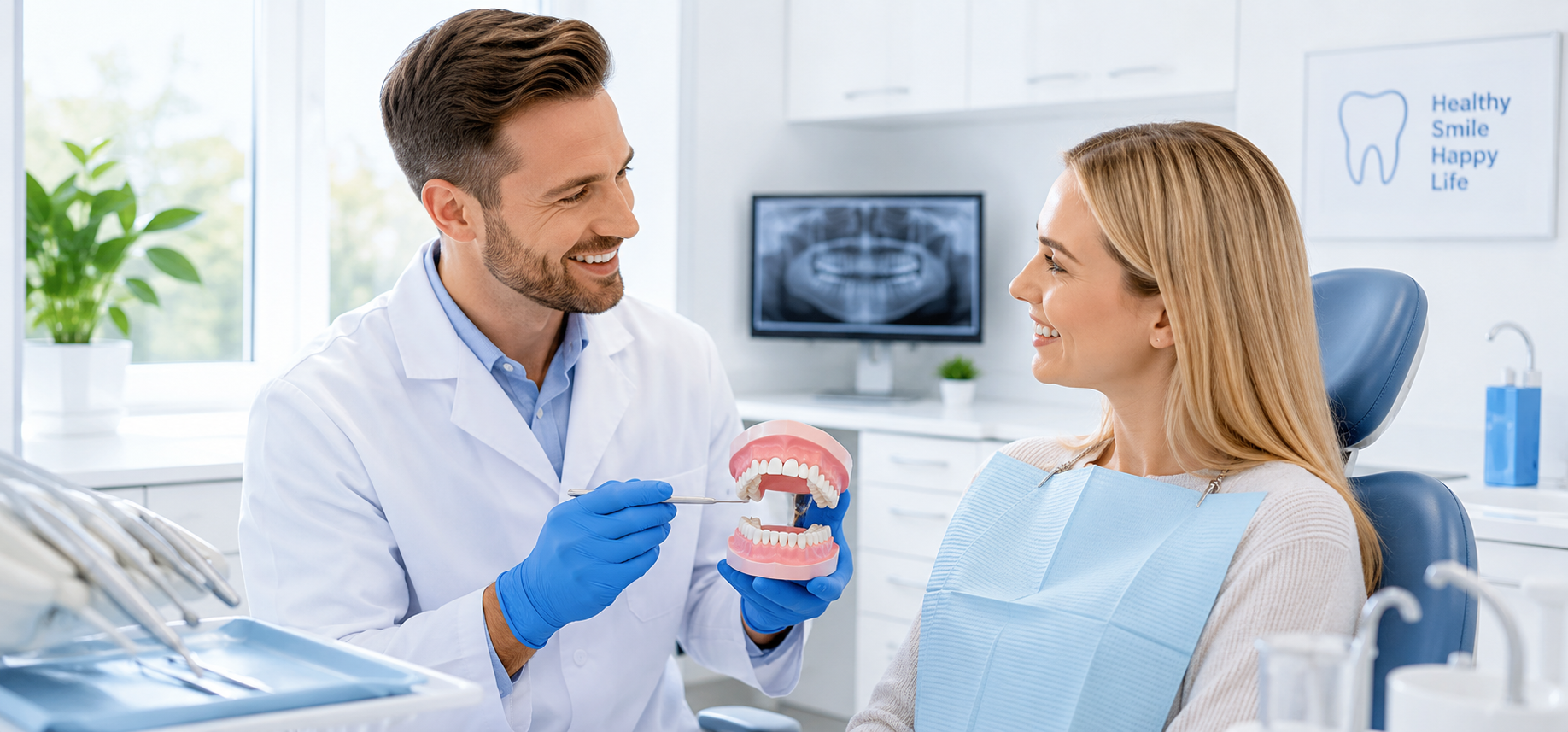
Patients should notice sudden, severe symptoms, visible damage, or signs of infection that could worsen quickly. Quick recognition helps protect teeth, reduce pain, and avoid complications.
Common Symptoms Requiring Urgent Care
Severe tooth pain that wakes a person at night or doesn’t respond to over-the-counter pain relief often signals an infection or nerve involvement and needs prompt attention. Swelling of the face, jaw, or neck — especially if it makes breathing or swallowing difficult — can indicate a spreading infection and requires immediate care.
A knocked-out tooth (avulsed) is time-sensitive; keep the tooth moist and reach an emergency dentist within an hour for the best chance of re-implantation. Heavy uncontrolled bleeding from the mouth after trauma, and loose teeth after an injury, also demand same-day evaluation.
High fever combined with oral pain or swelling suggests systemic involvement. Persistent bad taste or foul drainage near a tooth points to an abscess that usually needs drainage and antibiotics.
When to Seek Immediate Treatment
Seek same-day care for any trauma that causes broken teeth, exposed tooth roots, or severe soft-tissue cuts in the mouth. These situations risk infection, nerve damage, or further structural loss if left untreated. Emergency clinics in Framingham, MA, typically offer walk-in slots or after-hours lines for such injuries.
If facial swelling progresses over a few hours or breathing becomes noisy, call emergency services first. For intense, uncontrolled oral bleeding, apply firm pressure and seek urgent dental or emergency-room care. Toothaches that accompany fever, swelling, or spreading redness should not be delayed; these signs often require prescription antibiotics plus dental intervention.
Distinguishing True Emergencies from Routine Issues
Not every toothache is an emergency. Mild, intermittent pain from sensitivity to cold or sweets often relates to enamel wear or a small cavity and can be scheduled within a few days. A lost filling that only causes mild discomfort can usually wait for a next-day appointment, but cover exposed areas with dental wax and avoid chewing on that side.
True emergencies show rapid onset, escalating severity, visible damage, or systemic symptoms like fever. If a patient is unsure, contacting the dental office for a quick triage call can determine urgency and reduce unnecessary ER visits. Keeping recent dental records and photos of the problem helps clinicians assess the situation more accurately over the phone.
Call to action: encourage readers to contact their Framingham dental office for advice or to book an emergency visit when in doubt.
Types of Urgent Dental Problems
Common urgent dental issues include severe pain, traumatic damage to teeth, and failed restorations that expose nerve or tooth structure. Quick action prevents infection, preserves teeth, and reduces the need for more invasive treatments.
Toothaches and Severe Pain
Toothaches that wake a patient at night, cause swelling, or produce a constant throbbing often indicate pulp inflammation or infection. They may result from deep decay, a cracked tooth, or an old filling that no longer seals the tooth. Pain that radiates to the jaw, ear, or temple can signal spreading infection and requires prompt evaluation.
Initial home steps include rinsing with warm salt water, taking over-the-counter pain relievers as directed, and avoiding very hot, cold, or sugary foods. If there is visible pus, facial swelling, fever, or difficulty swallowing or breathing, the patient should seek emergency dental or medical care immediately. At the clinic, the dentist will diagnose with exam and X-rays, then manage pain, drain any abscess if present, and recommend root canal therapy or extraction when necessary.
Broken or Knocked-Out Teeth
A fractured crown, chip, or tooth avulsion from trauma needs immediate attention to maximize tooth survival and restore function. For a knocked-out permanent tooth, time is critical—ideally replant within 30 minutes to one hour. Handle the tooth by the crown only, rinse briefly with water if dirty, and attempt to reinsert or store in milk or a tooth-preservation solution.
Cracks that extend into the root or fractures that split a tooth may require root canal therapy, a crown, or extraction depending on severity. For minor chips, smooth edges and a composite bonding repair can restore appearance and comfort. The dentist will perform tests to assess pulp health and structural integrity, then create a treatment plan that balances tooth preservation with long-term prognosis.
Lost Fillings or Crowns
A lost filling or crown exposes the underlying tooth to decay, sensitivity, and bacterial invasion, increasing the risk of pulp inflammation. Patients often report sharp sensitivity to cold, biting pain, or a noticeable gap where the restoration sat. If the restoration is intact, saving it and bringing it to the appointment can allow re-cementation in some cases.
Short-term measures include covering exposed dentin with a piece of sugar-free gum or dental cement from a pharmacy and avoiding sticky or hard foods. The dentist will examine for secondary decay, assess the tooth’s remaining structure, and choose between re-cementing, fabricating a new crown, or performing a root canal if the pulp is compromised. Prompt care reduces the chance of more extensive treatment later.
What to Do in a Dental Emergency
Immediate steps focus on controlling pain, stopping bleeding, and protecting damaged teeth until professional care is available. Quick home actions, clear criteria for urgent visits, and ways to prevent more harm make the difference in outcome and comfort.
Quick Actions to Take at Home
If a tooth is knocked out, handle it by the crown only — avoid touching the root. Rinse the tooth gently with saline or milk if dirty; do not scrub. If possible, reinsert the tooth and hold it in place, or store it in milk or Hank’s Balanced Salt Solution and get to a dentist within 30–60 minutes.
For severe pain or swelling, rinse the mouth with warm salt water and apply a cold pack to the outside of the cheek for 10–15 minutes. Use over-the-counter ibuprofen or acetaminophen per label directions for pain control; avoid placing aspirin directly on gums. For broken teeth with sharp edges, cover the edge with orthodontic wax or sugar-free chewing gum to prevent lip or cheek cuts.
If bleeding occurs, apply firm pressure with sterile gauze for 10–15 minutes. If bleeding doesn’t slow, seek emergency care. For objects stuck between teeth, try gentle flossing; do not use sharp instruments that could injure gums.
When to Visit the Emergency Dentist
Seek immediate professional care if a tooth is avulsed (completely knocked out), there is uncontrollable bleeding, or intense swelling affecting breathing or swallowing occurs. These signs require urgent treatment to save the tooth or prevent airway compromise.
Visit within 24 hours for severe, unrelenting pain, a visible fracture that exposes the tooth’s inner pulp, or a lost filling or crown causing sharp pain. Rapid treatment reduces infection risk and often preserves more of the tooth. Call a Framingham emergency dental clinic that offers same-day appointments and on-call staff to coordinate timely care.
If pain follows a recent dental procedure, or a dental infection causes fever, schedule an expedited visit. Bring any removed tooth fragments, crowns, or relevant medical history to the appointment to speed diagnosis and treatment.
Avoiding Further Injury
Avoid chewing on the injured side and skip hard, crunchy, or sticky foods until a dentist evaluates the area. Use a soft diet and cut food into small pieces to reduce pressure on damaged teeth and restorations.
Do not attempt home repairs with glue, over-the-counter cements, or metal objects. These can interfere with professional bonding or cause tissue damage. Keep follow-up appointments and follow post-care instructions exactly, including prescribed antibiotics or mouth rinses.
Protect teeth during sports with a properly fitted mouthguard, and arrange prompt dental visits after any facial trauma — even if symptoms seem minor at first. Early professional assessment prevents complications and improves long-term outcomes.
Modern Emergency Dental Treatments
This section explains current options that reduce pain quickly and how advanced tools speed diagnosis and treatment. It focuses on specific techniques, materials, and equipment patients will experience during emergency visits.
Pain-Free Solutions and Comfort Options
Clinics often use targeted local anesthesia such as articaine or lidocaine with epinephrine to numb only the injured area quickly and reliably. For anxious patients, nitrous oxide (“laughing gas”) provides mild sedation with fast recovery, while oral sedatives like diazepam are available by prescription for more severe anxiety.
Dentists also employ painless injection techniques: topical numbing gel followed by slow, computer-controlled injections (e.g., The Wand) to reduce sting and pressure. For tooth fractures or exposed nerves, a pulpotomy, temporary crown, or sedative dressing can stop pain immediately while planning definitive care. Post-procedure comfort includes prescription or OTC NSAIDs, cold packs, and clear written aftercare instructions to control swelling and prevent reinjury.
State-of-the-Art Diagnostic Tools
Digital radiography (digital X-rays) delivers high-resolution images in seconds with up to 80% less radiation than film, helping detect fractures, abscesses, and root issues quickly. Cone Beam CT (CBCT) offers 3D views for complex trauma or suspected root fractures, enabling precise treatment planning for extractions, root canals, or implant temporization.
Intraoral cameras enlarge and display tooth damage on a monitor, improving patient understanding and consent. Electronic pulp testers and laser fluorescence devices (e.g., DIAGNOdent) help assess nerve vitality and early caries without invasive probing. These tools shorten appointment times and reduce guesswork, so clinicians can diagnose accurately and start appropriate emergency treatment the same day.
Choosing a Trusted Provider in Framingham
Patients should prioritize clear communication, timely access, and visible experience when selecting an emergency dentist. Look for providers who publish hours, explain fees up front, and show recent patient reviews and treatment photos.
Qualities of a Compassionate Dental Team
A compassionate team greets patients promptly and listens to symptoms without rushing. They explain diagnoses in plain language, outline treatment options with estimated costs, and secure informed consent before proceeding.
Clinical competence matters: verify state licensure, years of emergency care experience, and any advanced training (e.g., endodontics or oral surgery). Ask whether the dentist uses digital X-rays, intraoral cameras, and local anesthesia techniques to reduce pain and speed diagnosis.
Support staff should be trained in anxiety reduction and basic medical triage. Confirm that staff maintain CPR certification and can coordinate with the patient’s primary care physician or a hospital if complications arise.
Patient-Focused Scheduling and Accessibility
Emergency availability should be transparent: find a clinic with extended evening hours, weekend slots, or a clearly posted on-call phone number. Confirm typical wait times for walk-ins versus scheduled emergency visits.
Location and parking matter for painful or mobility-limited patients. Prefer offices near major routes in Framingham with accessible parking, level entry, and wheelchair ramps or elevators.
Insurance and payment options should be easy to verify before treatment. Ask whether the office accepts your insurer, offers sliding-scale fees, or provides short-term payment plans and itemized estimates to avoid surprise charges.
Preventing Future Dental Emergencies
Small daily habits and timely professional care reduce the chance of sudden dental problems. Focus on protective routines, safe behaviors, and regular dental visits to catch issues early and avoid pain, infection, or urgent repairs.
Everyday Steps to Protect Your Smile
They should brush twice daily with a fluoride toothpaste for two minutes each time, using a soft-bristled brush to avoid enamel wear and gum recession. Flossing once per day removes plaque between teeth where a toothbrush can’t reach; interdental brushes or water flossers work well for bridges and wide spaces.
Limit acidic and sugary snacks—choose water, plain yogurt, nuts, or cheese instead of soda and candy. Wear a fitted mouthguard for contact sports and a nightguard if grinding is an issue; custom guards from a dentist fit better and last longer than store-bought options. Avoid using teeth as tools to open packages or cut thread; this prevents chips, cracks, and restorations failing.
Keep a small dental kit at home: temporary filling material, dental wax, floss, and a list of emergency contacts. If a tooth is knocked out, hold it by the crown, rinse gently if dirty, and place it back in the socket or keep it in milk or saliva while getting to the dentist within an hour.
The Role of Regular Checkups
They should schedule dental checkups every six months, or more often if a dentist recommends it, to spot small cavities, gum disease, or worn restorations before they become emergencies. During exams, dentists use X-rays, oral cancer screenings, and bite assessments to find hidden problems that cause pain later.
Professional cleanings remove tartar that brushing can’t, lowering infection risk and stabilizing gums around teeth and implants. Dentists can also adjust or replace ill-fitting crowns, fillings, or appliances that might fail under stress. For patients with chronic conditions—diabetes, osteoporosis, or dry mouth—the dental team customizes recall intervals and preventive strategies.
Discussing medications, diet, and habits at each visit helps the dentist recommend fluoride treatments, sealants, or nightguards tailored to reduce future emergency care.
What to Expect During Your Visit
Upon arrival, the front-desk team will greet the patient and complete any necessary paperwork. They will confirm insurance details and emergency symptoms to prioritize care quickly.
A clinician will review the medical and dental history and ask about pain, swelling, or trauma. They may take digital X-rays or photos to pinpoint the problem with fast, low-radiation imaging.
The dentist will explain findings in simple terms and discuss treatment options, risks, and costs. Options often include short-term pain relief, a definitive repair (like a crown or filling), or a prescription for antibiotics or pain medication if infection is present.
If immediate treatment is possible, they will proceed with local anesthesia to keep the patient comfortable. For more complex cases, the dentist will provide a clear plan and schedule follow-up appointments to complete care.
Staff will review home-care instructions and any prescribed medications before discharge. They will also offer preventive advice to reduce future emergencies and invite the patient to call with questions or concerns.
How Framingham Residents Can Prepare for Dental Urgencies
Keep a small emergency kit at home and in the car. Include gauze, a small container for a knocked-out tooth, over-the-counter pain relievers, and the phone number of a local emergency dentist.
Confirm contact details for nearby practices and after-hours services. They should save a 24/7 clinic number and their regular dentist’s emergency line in their phone contacts.
Learn basic first-aid steps for common problems. For a knocked-out tooth, hold it by the crown, rinse gently, and place it back in the socket or store it in milk; for severe bleeding, apply firm pressure with gauze.
Review dental insurance and payment options before an emergency occurs. Knowing coverage limits, copays, and which dentists are in-network reduces stress when quick care is needed.
Schedule routine checkups and keep up with preventive care. Regular cleanings and exams lower the chance of sudden decay or infections that lead to emergencies.
Prepare a short medical history summary to share with any treating dentist. Include current medications, allergies, recent surgeries, and chronic conditions to speed up safe treatment decisions.
Discuss comfort options ahead of time if anxiety is a concern. Many Framingham practices offer sedation or calming techniques; asking about them before an emergency can make urgent visits less intimidating.
Call the dental office promptly when symptoms start. Early communication helps staff advise on home care and reserve the fastest appointment available.
Encouragement to Take the Next Step
They should not wait when dental pain or a sudden injury strikes. Prompt care often means simpler treatment, less discomfort, and a quicker return to normal life.
A friendly team in Framingham stands ready to help by phone or online. They offer same-day appointments and clear guidance on what to expect during the visit.
If cost or insurance is a concern, the office can explain payment options and estimate charges before treatment. Transparency helps patients make confident choices without surprises.
Patients benefit from asking questions about comfort measures, sedation options, and follow-up care. Knowing the plan reduces anxiety and improves recovery.
A short checklist can make calling easier:
- Note symptoms and when they started
- Gather insurance info and contact details
- Prepare a list of medications and allergies
They encourage calling now or using the clinic’s online booking to secure a timely appointment. A quick action can prevent complications and restore comfort sooner.
Frequently Asked Questions
This section answers common concerns about sudden dental pain, broken or missing teeth, swelling or infection, and what to expect for treatment, cost, and timing. It gives practical steps patients can take immediately and explains typical office response and payment options.
What counts as a true dental emergency versus something that can wait until the next business day?
A true emergency includes uncontrolled bleeding, severe swelling affecting breathing or swallowing, high fever with dental pain, a tooth knocked completely out, or sudden severe pain that prevents sleep or eating.
Minor issues that can usually wait include a small chip without pain, mild sensitivity, or a lost filling when the tooth is otherwise comfortable.
If I have a severe toothache, what should I do at home right away to stay comfortable until I’m seen?
Rinse the mouth gently with warm salt water to clean debris and reduce bacteria.
Take over-the-counter ibuprofen or acetaminophen as directed for pain; avoid placing aspirin directly on the gum or tooth.
Apply a cold compress to the outside cheek for 10–20 minutes to reduce swelling and numb pain if swelling is present.
Avoid very hot, cold, or sugary foods and do not chew on the affected side.
How quickly can I be seen for sudden swelling, bleeding, or signs of an infection?
Clinics offering emergency dental care typically triage swelling, bleeding, or infection for same-day appointments.
If swelling affects breathing or swallowing, immediate emergency room evaluation is advised.
Call the office on arrival or use their emergency number; they will prioritize patients with potential airway compromise or spreading infection.
What should I do if a tooth gets knocked out or broken—especially in the first 30 minutes?
If a tooth is knocked out, pick it up by the crown (not the root), rinse it gently with saline or milk if dirty, and try to reinsert it into the socket if possible.
If reinsertion isn’t possible, store the tooth in milk or a tooth-preservation solution and get to the dentist within 30–60 minutes for the best chance of saving it.
For a broken tooth, save any fragments, rinse the mouth with warm water, and apply a cold compress to reduce swelling; seek same-day care for sharp edges, exposed nerve, or severe pain.
Will I need a root canal or an extraction, and how do you help keep the visit comfortable?
Treatment depends on the tooth’s condition: deep decay or infected pulp often calls for root canal therapy to save the tooth, while an irreparably damaged tooth may require extraction.
Dentists use local anesthesia, sedation options (nitrous oxide or oral sedatives), and modern techniques to minimize pain and anxiety.
They will explain the pros and cons of preserving the tooth versus extraction, and outline restoration options such as crowns or implants when appropriate.
What payment and insurance options are available for urgent dental care, and what might it cost?
Most emergency dental offices accept major dental insurance plans and some medical plans for infection-related care; patients should call ahead to confirm coverage.
For uninsured patients, offices often offer self-pay rates, payment plans, or third-party financing to spread the cost.
Typical costs vary by treatment: exam and X-rays, $75–$200; emergency extractions, $150–$600; root canal therapy, $600–$1,500 or more depending on the tooth; these are general ranges and individual estimates should come from the clinic.