
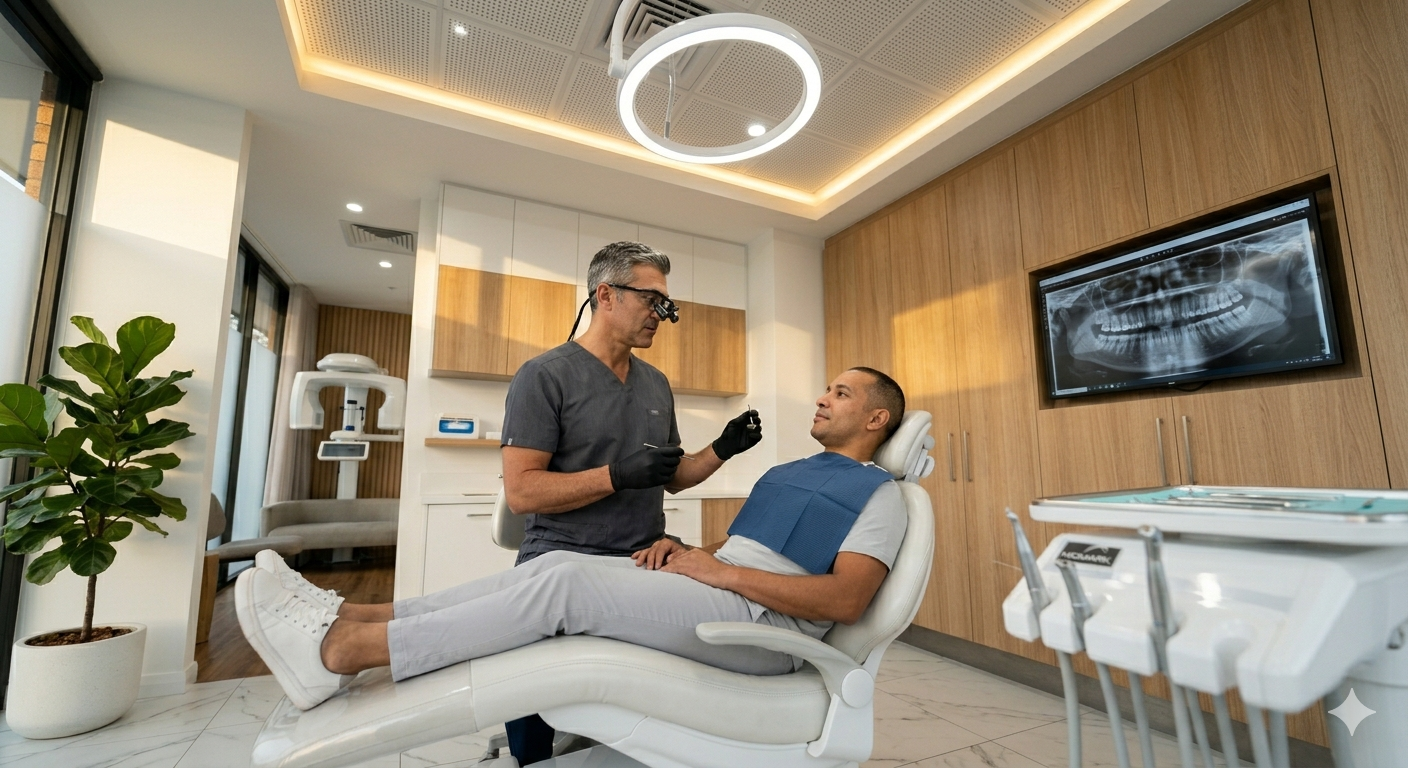
When dental emergencies strike in Framingham, MA, having quick access to professional care can make all the difference. Emergency dental services in Framingham provide timely treatment for issues like severe toothaches, broken teeth, or sudden injuries, ensuring pain is relieved and further damage is prevented.
People often wonder where to turn when unexpected dental problems happen outside regular office hours. Local clinics in Framingham are equipped to handle these urgent situations with modern techniques that prioritize comfort and effective results.
Knowing who to call and what to expect helps patients stay calm and confident during a stressful moment. It’s always best to seek professional advice immediately rather than wait, so checking available emergency options in advance can be very helpful.
What Counts as a Dental Emergency?
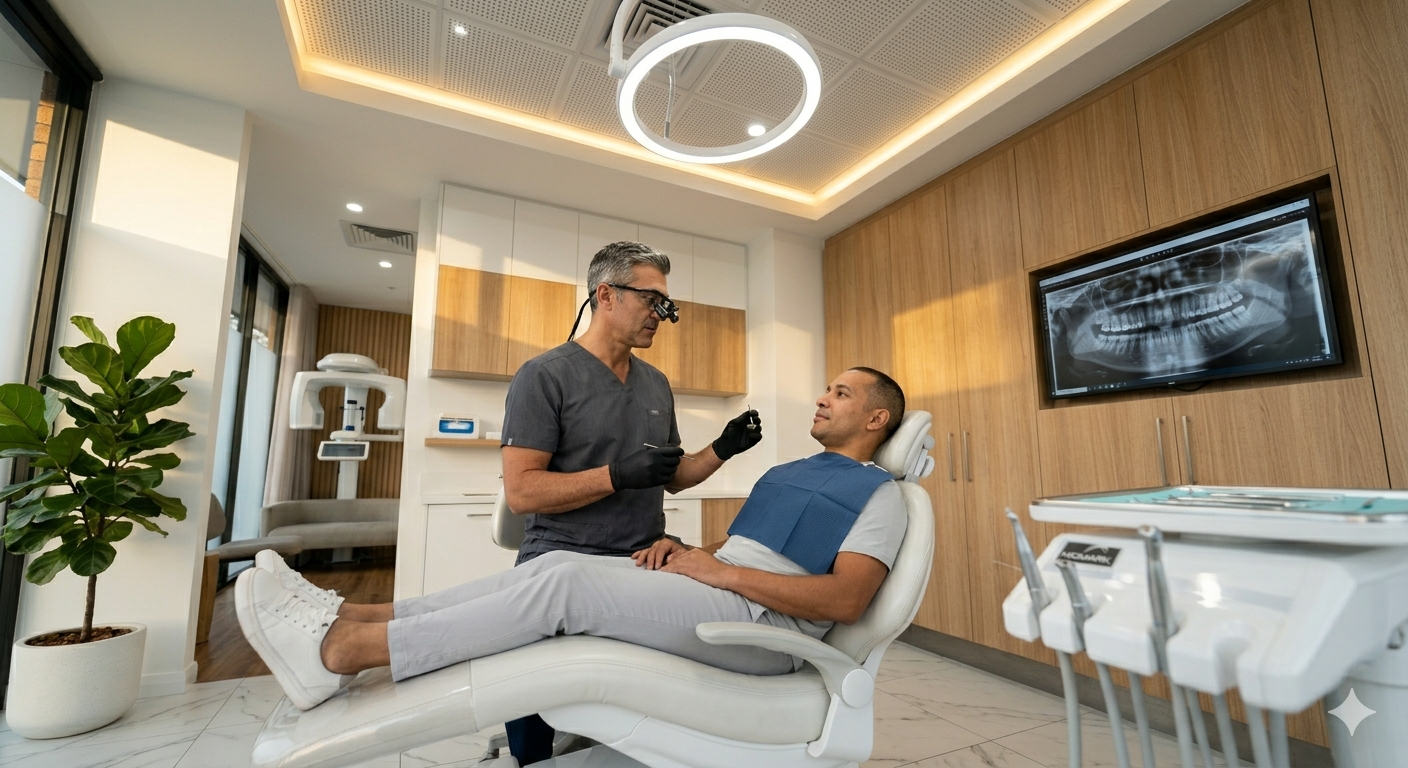
Knowing when to seek immediate dental care can prevent complications and ease pain. Some dental issues clearly require urgent attention, while others can be managed with a scheduled appointment. Understanding the difference helps protect your oral health and avoid unnecessary stress.
Common Signs You Need Urgent Care
Severe tooth pain that doesn’t improve with over-the-counter pain relief often signals an emergency. Swelling in the gums, face, or jaw can indicate an infection needing prompt treatment to prevent spread.
Bleeding that won’t stop after injury, or a knocked-out tooth, are clear signs to get immediate help. Fever combined with mouth pain might mean an abscess, which requires urgent attention.
Situations That Can’t Wait
A tooth that’s been cracked, broken, or completely knocked out needs quick treatment—ideally within an hour. Delays might affect the ability to save the tooth.
Infections with swelling affecting breathing or swallowing are dangerous and require emergency care. Sudden, intense pain from exposed nerves, or loosening of teeth after trauma, should not be ignored.
How to Determine if Your Problem Is Urgent
If pain interferes with eating, sleeping, or speaking, it’s often a reason to seek care now. Persistent bleeding or swelling is another clear indicator.
Minor chips or sensitivity might wait for a normal appointment, but worsening symptoms call for quick action. When in doubt, calling a local emergency dental provider helps determine the right step.
Emergency Dental Services in Framingham, MA
Emergency dental care in Framingham focuses on quick access, effective treatments, and clear communication to help patients in urgent need. These services are designed to handle a variety of dental emergencies, making sure patients receive personalized care with minimal wait times.
Same-Day Appointments and Availability
Dental clinics in Framingham prioritize same-day appointments for emergencies, recognizing that painful or traumatic situations require prompt attention. Many providers offer flexible hours, extending into evenings and weekends to accommodate sudden dental issues.
Patients typically can call and secure a slot within hours or, in some cases, be seen immediately depending on the office’s schedule and severity of the problem. This availability reduces discomfort and prevents worsening conditions by addressing urgent needs quickly.
Clinics often recommend calling ahead to confirm availability and explain symptoms. This helps staff prepare for the visit and ensure the right treatment team is ready upon arrival.
Range of Emergency Treatments Offered
Framingham emergency dental services cover a broad spectrum of treatments. Common issues addressed include severe toothaches, cracked or broken teeth, knocked-out teeth, lost fillings or crowns, and infections.
Treatment options range from pain relief and infection control to more involved procedures like root canals, extractions, or temporary restoration repair. Dentists also provide care for soft tissue injuries, like cuts or swelling in the mouth.
Some clinics use advanced diagnostic tools such as digital X-rays to quickly identify the problem. The goal is to stabilize the condition immediately and plan for any follow-up care if needed.
What to Expect During an Emergency Visit
During an emergency visit, the dental team will first assess the severity of the issue. This usually involves a quick exam and possibly diagnostic imaging to understand the problem fully.
Patients can expect clear communication about the diagnosis, treatment options, and any pain management plans. Staff focus on making patients comfortable, offering local anesthesia or medication when necessary.
Treatment is prioritized to reduce pain and prevent further damage. Depending on the case, some procedures might be completed on the spot, while others may require scheduled follow-up visits to ensure full recovery.
Patients are encouraged to ask questions and discuss any concerns during their visit. This approach helps ease anxiety and supports better outcomes after emergency dental care.
Immediate Steps to Take During a Dental Emergency
Knowing how to respond quickly can reduce pain and prevent long-term damage during a dental emergency. It’s important to manage pain and bleeding properly, recognize when to seek urgent medical help, and protect damaged teeth to improve the chances of successful treatment.
Managing Pain and Bleeding at Home
For pain, applying a cold compress to the cheek near the injury can reduce swelling and numb discomfort. Over-the-counter pain relievers like ibuprofen or acetaminophen are helpful but should be taken as directed and never placed directly on the gums or teeth.
To control bleeding, rinsing the mouth gently with warm water helps remove debris. Then, apply firm but gentle pressure using a clean gauze or cloth to the bleeding site for 10-15 minutes. Avoid spitting or using a straw, as these actions can worsen bleeding.
If bleeding continues beyond 20 minutes, or if the pain worsens significantly, seeking emergency dental care is essential.
When to Call 911
Call 911 immediately if the injury involves severe facial trauma, difficulty breathing, uncontrolled bleeding, fainting, or a suspected broken jaw. These signs indicate that the emergency goes beyond dental care and requires hospital treatment.
Also, if a tooth injury is accompanied by neck or head trauma, neck stiffness, or loss of consciousness, emergency medical services should be contacted without delay.
For any dental emergency without these severe symptoms, contacting a local emergency dentist in Framingham, MA, is the best next step.
Protecting Knocked-Out or Broken Teeth
If a tooth is knocked out, it is crucial to handle it with care. Hold the tooth by the crown (the top part) and avoid touching the root. If dirty, rinse it gently with water but do not scrub or remove any tissue fragments.
Try to place the tooth back into the socket if possible. If that’s not an option, keep the tooth moist by storing it in milk or saliva until reaching the dentist.
For broken teeth, save any pieces and rinse the mouth with warm water to keep it clean. Use a cold compress on the face to reduce swelling and avoid chewing on the injured side until seen by a dental professional.
Prompt action can save a tooth and reduce recovery time.
Modern Comfort and Care for Emergency Patients
Emergency dental care in Framingham, MA, is designed to address pain quickly while ensuring patients feel comfortable and supported. Advanced technology and gentle approaches help dentists diagnose problems fast and provide relief without added stress.
Pain-Free Treatment Options
Practices now use advanced numbing techniques that target pain right at its source. Local anesthesia is carefully administered to block sensation during procedures, allowing patients to stay relaxed. For toothaches, abscesses, or broken teeth, dentists often combine anesthesia with topical gels to reduce discomfort before injections.
In addition to traditional methods, some offices offer laser dentistry, which can treat soft tissues with less pain and quicker healing. This option can minimize the need for drills and reduce swelling after treatment. Patients often find these approaches make urgent care visits much more manageable and less intimidating.
Digital X-Rays and Fast Diagnostics
Digital X-rays play a crucial role in emergency dentistry by delivering detailed images instantly. Unlike traditional films, digital X-rays expose patients to less radiation and allow dentists to zoom in on problem areas. This precision speeds up diagnosis of cracks, infections, or impacted teeth that might not be visible otherwise.
Using these fast scans, dentists can make informed treatment plans during the same visit. This reduces waiting times and helps patients understand exactly what’s wrong with their teeth or gums. The clarity and speed provide peace of mind and quicker access to necessary care.
Sedation and Anxiety Support
Many dental emergencies come with anxiety, especially when pain is involved. To help, Framingham dentists offer sedation options ranging from mild nitrous oxide (laughing gas) to deeper oral or IV sedation. These methods numb anxiety and help patients stay calm during treatment.
Dentists also create a supportive environment by explaining each step and offering breaks as needed. The goal is to make each emergency visit as stress-free as possible, so patients feel safe and cared for while receiving prompt relief.
If you’re facing a dental emergency, consider calling your local office to learn about comfort options ahead of time. Understanding your choices can ease worries and prepare you for quick, effective treatment.
Preventing Dental Emergencies Before They Start
Taking active steps to care for your teeth every day significantly lowers the risk of sudden dental problems. Simple habits, consistent professional care, and protective gear can keep your smile safe from unexpected damage and pain.
Tips for Protecting Your Teeth
Healthy habits start with daily care. Brushing at least twice a day with fluoride toothpaste and flossing once daily removes plaque that weakens enamel and causes decay. Avoid chewing on hard objects like ice or pens, which can crack teeth unexpectedly.
Limiting sugary snacks and drinks also protects teeth from acid attacks that erode enamel. Drinking plenty of water helps wash away food particles and keeps saliva flowing, which naturally defends against bacteria.
If you ever feel discomfort or notice looseness in a tooth, prompt attention can prevent a minor problem from becoming an emergency.
The Importance of Regular Check-Ups
Routine dental visits every six months let professionals catch issues before they become emergencies. Cleanings remove tartar buildup that brushing misses, and exams can spot small cavities, gum disease, or early wear.
Dentists can identify signs of potential problems like cracks, misaligned bites, or signs of infection early on. They also provide personalized advice based on your oral health patterns.
Scheduling these check-ups even when there’s no pain is one of the best defenses against sudden dental emergencies.
Mouthguards for Sports and Grinding
Wearing a mouthguard during contact sports reduces the risk of chipped or knocked-out teeth. Custom-fit guards from a dentist offer better protection and comfort compared to store-bought versions.
For those who grind their teeth at night, a nightguard prevents excessive wear and tooth fractures. Grinding often happens during sleep without awareness but causes damage over time.
Both mouthguards and nightguards act as buffers, absorbing impact and preventing costly injuries. Discussing these options with a dentist can tailor protection to your lifestyle.
Choosing the Right Emergency Dentist in Framingham
Finding a reliable emergency dentist involves checking their experience, how quickly they respond, patient feedback, and payment options. These factors help ensure the care provided is both efficient and affordable when urgent dental problems arise.
Experience and Response Times
Experience matters a lot when choosing an emergency dentist. Dentists with years of practice in urgent care conditions handle pain and complications more effectively. They know how to quickly diagnose issues like broken teeth, severe toothaches, or infections.
In Framingham, it’s best to look for a dentist who offers same-day appointments or flexible hours. Quick response times can prevent worsening symptoms and ease anxiety. Some practices even provide after-hours or weekend services, which can be a lifesaver during unexpected emergencies.
Patient Testimonials and Community Reputation
Patient reviews offer valuable insights into how a dentist treats emergencies. Positive testimonials often mention compassionate care, clear communication, and effective pain relief. Checking online reviews and local recommendations can reveal which dentists consistently meet patient needs.
The reputation in the community also reflects professional reliability. A dentist well-regarded by neighbors and local healthcare providers is more likely to deliver comforting, effective treatment. Considering both the volume and detail of testimonials helps identify trustworthy emergency dental providers in Framingham.
Insurance and Payment Options
Understanding payment options is key to avoiding surprise costs during an emergency. Many Framingham emergency dentists accept major insurance plans, including Medicaid and private insurers. It’s important to confirm which procedures are covered in urgent situations.
Some offices offer payment plans or sliding scale fees for uninsured patients. Clarifying these options before an emergency occurs can reduce stress and ensure prompt care. Transparent pricing combined with flexible payments makes emergency dental care accessible when it’s needed most.
Next Steps: Get the Help You Need Today
When dental pain strikes, it’s important to act quickly. Waiting can lead to more discomfort or complicated treatments. A trusted emergency dental service in Framingham, MA, is ready to provide timely care that focuses on relief and recovery.
Patients should start by calling a local emergency dentist. Many offices offer same-day appointments or after-hours care to fit urgent needs. Before the visit, they can prepare by noting symptoms, recent dental history, and any pain level changes.
Here’s a quick checklist to consider before seeking help:
- Identify the nature of the problem (e.g., toothache, broken tooth, swelling)
- Gather your dental insurance information, if available
- Prepare any medication lists or allergies
- Note any recent dental treatments or procedures
Emergency dentists in Framingham use modern tools to reduce discomfort and speed healing. Treatments often include pain management, infection control, and restoring damaged teeth. Their goal is to make the patient feel comfortable and supported throughout the process.
If uncertainty remains about the severity of a dental issue, it’s better to err on the side of caution. Early dental care can prevent problems from worsening and save time and money in the long run. Encourage patients to reach out and ask questions—they are there to help.
Frequently Asked Questions
Emergency dental issues can be stressful, but knowing the right steps can help ease discomfort and protect your teeth. Understanding symptoms, treatments, and what to expect during a visit can make urgent care more manageable.
What should I do right away if I have a sudden toothache that won’t let me sleep?
Rinse your mouth gently with warm water and floss around the sore tooth to remove any trapped food. Avoid very hot, cold, or sugary drinks.
Taking over-the-counter pain relief can help until you see a dentist. If pain worsens or is accompanied by swelling, seek emergency care.
How can I tell if my dental problem is truly urgent or something that can wait a day or two?
Severe pain, swelling, bleeding that won’t stop, or a knocked-out tooth requires immediate attention. Mild sensitivity or a loose filling usually can wait a day or two.
If you’re unsure, it’s best to call your dental office. Many offer advice to help decide if you need urgent treatment.
What are the most common causes of a cracked or broken tooth, and how is it usually treated?
Hard foods, accidents, or grinding teeth can crack or break a tooth. Treatment depends on severity—small chips may be smoothed or bonded, while larger breaks might need a crown.
Dentists often restore broken teeth with tooth-colored fillings or crowns to protect and restore function.
If a tooth gets knocked out, what steps should I take to give it the best chance of being saved?
Handle the tooth by the crown, not the root. Rinse it gently without scrubbing, then try to place it back in the socket.
If that’s not possible, keep it moist in milk or saliva and get to a dentist immediately—ideally within an hour.
How do dentists quickly relieve swelling or pain from an infection, and will I need antibiotics?
Dentists may drain an abscess to reduce pressure and give immediate pain relief. They often prescribe antibiotics to fight infection if it has spread.
Pain relievers and a follow-up appointment are usually part of the recovery plan.
What can I expect during an urgent dental visit—cost, timing, and ways to stay comfortable?
Emergency visits typically start with a quick exam and X-rays to diagnose the problem. Treatment may be provided the same day or scheduled soon after.
Costs vary depending on the issue and procedures used. Dentists prioritize patient comfort with numbing options and clear explanations throughout the visit.